
Braces in Dubai: Cost and Benefits Explained

Braces have become a common solution for achieving a perfect smile, and in Dubai, the options available are as diverse as the city itself. With a growing number of dental clinics offering various types of braces, understanding the costs and benefits can help you make an informed decision. This post will guide you through everything you need to know about braces in Dubai, from the types available to their costs and the benefits they offer.

Understanding Braces
Braces are dental devices used to correct misaligned teeth and jaws. They work by applying continuous pressure over time to gradually shift teeth into the desired position. The most common types of braces include:
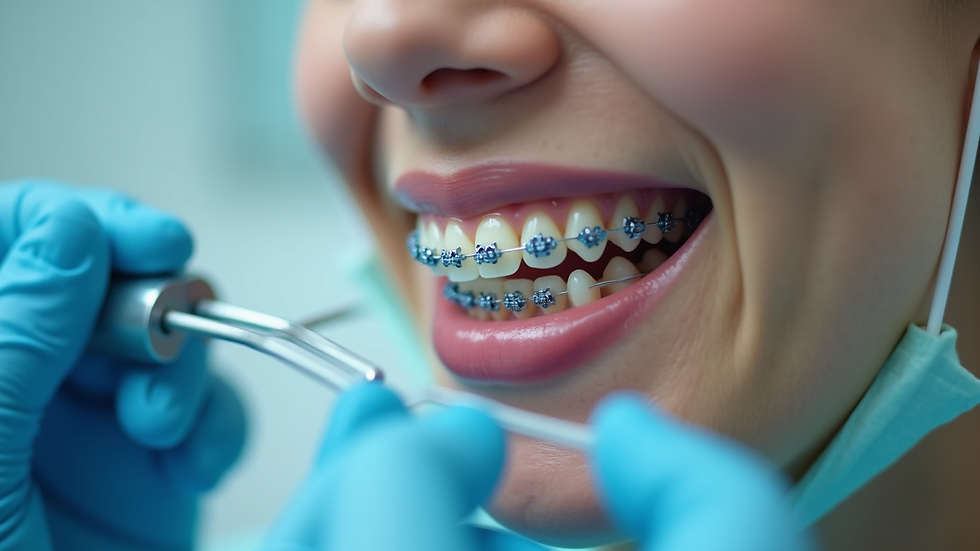
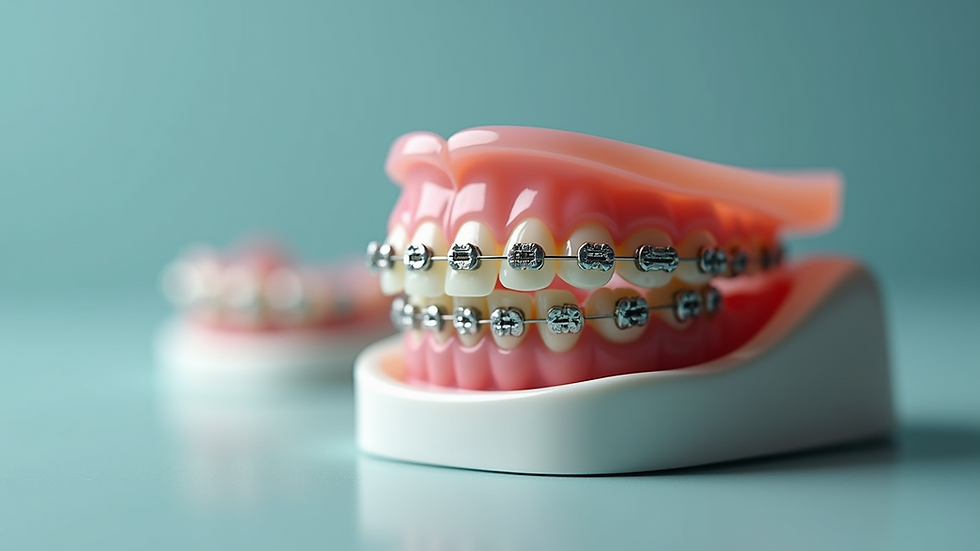
Metal Braces: Traditional braces made of high-grade stainless steel. They are the most visible but also the most effective for complex cases.
Ceramic Braces: Similar to metal braces but made of clear or tooth-colored materials, making them less noticeable.
Lingual Braces: These are placed on the back of the teeth, making them invisible from the front.
Clear Aligners: A series of custom-made, clear plastic trays that gradually shift teeth. They are removable and nearly invisible.
The Cost of Braces in Dubai
The cost of braces in Dubai can vary widely based on several factors, including the type of braces, the complexity of the case, and the clinic's location. On average, you can expect to pay:
Metal Braces: AED 8,000 to AED 15,000
Ceramic Braces: AED 10,000 to AED 20,000
Lingual Braces: AED 15,000 to AED 30,000
Clear Aligners: AED 10,000 to AED 25,000
These prices typically cover the entire treatment process, including consultations, adjustments, and retainers after the braces are removed. Some clinics may offer payment plans or financing options to make the treatment more affordable.
Factors Influencing the Cost
Several factors can influence the overall cost of braces in Dubai:
Type of Braces: As mentioned, different types of braces come with varying price tags. Metal braces are generally the most affordable, while lingual braces tend to be the most expensive due to their complexity.
Duration of Treatment: The length of time you need to wear braces can affect the cost. More complex cases may require longer treatment times, leading to higher costs.
Orthodontist's Experience: An experienced orthodontist may charge more for their services, but their expertise can lead to better results.
Location of the Clinic: Clinics in more affluent areas of Dubai may charge higher prices due to higher overhead costs.
Insurance Coverage: Some dental insurance plans may cover a portion of the cost of braces. It's essential to check with your provider to understand your benefits.
Benefits of Getting Braces
Investing in braces offers numerous benefits beyond just aesthetic improvements. Here are some key advantages:
Improved Oral Health
Straightening your teeth can significantly enhance your oral health. Misaligned teeth can lead to various dental issues, including:
Tooth Decay: Crooked teeth can create hard-to-reach areas for brushing and flossing, increasing the risk of cavities.
Gum Disease: Misalignment can lead to gum problems, as it may be challenging to maintain proper oral hygiene.
Jaw Pain: An improper bite can cause jaw pain and discomfort, leading to conditions like temporomandibular joint (TMJ) disorders.
Enhanced Confidence
A straight smile can boost your self-esteem and confidence. Many people feel more comfortable smiling and engaging with others when they are proud of their teeth. This newfound confidence can positively impact both personal and professional relationships.
Better Functionality
Braces can improve the functionality of your teeth. Properly aligned teeth make it easier to chew and speak, reducing the risk of issues like speech impediments or difficulty eating certain foods.
Long-Term Investment
While the initial cost of braces may seem high, they are a long-term investment in your oral health. Correcting misalignment now can prevent more severe dental issues in the future, saving you money on dental treatments down the line.
Choosing the Right Orthodontist
Selecting the right orthodontist is crucial for a successful braces experience. Here are some tips to help you make the right choice:
Research Credentials: Look for an orthodontist with the necessary qualifications and experience. Check their education, certifications, and any specialized training in orthodontics.
Read Reviews: Online reviews and testimonials from previous patients can provide insight into the orthodontist's skills and patient care.
Schedule Consultations: Many orthodontists offer free consultations. Use this opportunity to ask questions, discuss your concerns, and gauge the orthodontist's approach.
Evaluate the Clinic: Visit the clinic to assess its cleanliness, equipment, and overall atmosphere. A well-maintained clinic reflects the quality of care you can expect.
Discuss Treatment Options: A good orthodontist will provide various treatment options tailored to your needs. They should explain the pros and cons of each type of braces.
The Process of Getting Braces
Understanding the process of getting braces can help alleviate any anxiety you may have. Here’s a step-by-step overview:
Initial Consultation: During your first visit, the orthodontist will examine your teeth and take X-rays to assess your dental structure. They will discuss your treatment options and provide a cost estimate.
Treatment Plan: Once you decide to proceed, the orthodontist will create a personalized treatment plan, outlining the type of braces, estimated duration, and expected outcomes.
Fitting the Braces: On the day of fitting, the orthodontist will clean your teeth and apply the braces. This process usually takes about one to two hours.
Regular Adjustments: You will need to visit the orthodontist every 4 to 8 weeks for adjustments. During these visits, the orthodontist will tighten the braces and monitor your progress.
Retainers: After your braces are removed, you will likely need to wear a retainer to maintain your new smile. Retainers help prevent teeth from shifting back to their original positions.
Common Concerns About Braces
Many people have concerns about getting braces. Here are some common worries and how to address them:
Pain and Discomfort: It’s normal to experience some discomfort after getting braces or during adjustments. Over-the-counter pain relievers can help alleviate this discomfort.
Diet Restrictions: Certain foods can damage braces, such as hard candies, popcorn, and sticky foods. Your orthodontist will provide a list of foods to avoid.
Oral Hygiene: Maintaining good oral hygiene is crucial while wearing braces. You may need to adjust your brushing and flossing routine to ensure you keep your teeth and braces clean.
Conclusion
Braces are a valuable investment in your oral health and overall confidence. In Dubai, the options are plentiful, and understanding the costs and benefits can help you make an informed decision. Whether you choose metal, ceramic, lingual braces, or clear aligners, the journey to a straighter smile is worth it.
If you're considering braces, take the first step by scheduling a consultation with a qualified orthodontist. Your perfect smile awaits!

Comments